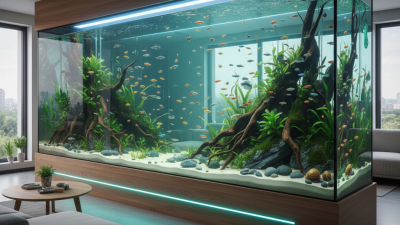
Aquarium Products have become essential for global buyers who want healthy, attractive, and manageable aquatic environments. A modern aquarium needs more than a glass tank. It may require filtration units, LED lighting, heaters, water conditioners, testing kits, air pumps, and safe decorative materials. Each item supports a specific part of daily care. A quiet filter removes waste. A stable heater protects temperature-sensitive fish. Clear test results help owners detect unsafe water before illness appears.
In practical purchasing, product quality affects animal welfare, operating costs, and customer trust. Experienced buyers compare materials, energy use, maintenance needs, packaging strength, and after-sales support. Reliable suppliers should provide accurate specifications, safety information, test records, and clear warranty terms. They should also explain whether products suit freshwater, marine, or planted aquariums. Import requirements differ across countries. Responsible buyers must check local rules before ordering electrical equipment, chemicals, or biological materials. That step is often overlooked.
Not every popular product is dependable. A bright lamp may produce excessive heat. A low-cost filter may become noisy within weeks. That assumption can fail. Careful evaluation remains necessary. Product reviews offer useful clues, but they cannot replace technical evidence or hands-on testing. Global buyers therefore need Aquarium Products that balance performance, safety, sustainability, and practical value. The best choices are not always the cheapest. They are the products that work consistently, protect aquatic life, and remain supportable after delivery. Mistakes still happen. Honest suppliers acknowledge them and improve their designs.
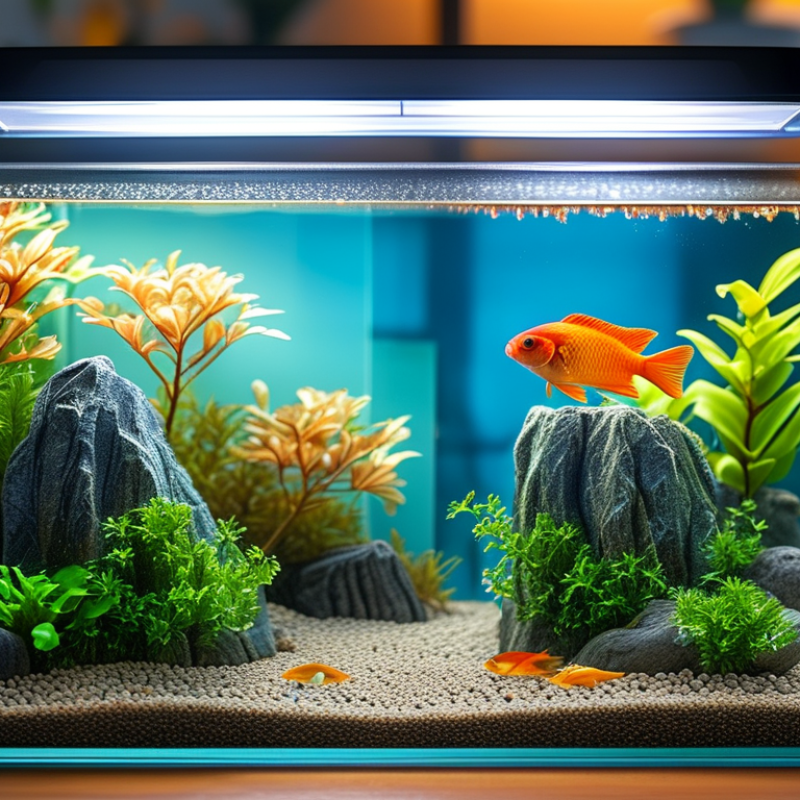
Aquarium products are tools for building and maintaining an aquatic habitat. They include tanks, filters, heaters, lighting systems, substrate, test kits, nets, and species-appropriate food. Each item serves a specific purpose. The tank provides space, while filtration removes waste and supports beneficial microorganisms. Heaters help maintain stable temperatures for tropical species. Lighting supports plant growth and creates a natural day-night rhythm.
Water testing is equally important. Test kits measure ammonia, nitrite, nitrate, pH, and hardness. These readings reveal problems before fish show visible stress. The American Pet Products Association’s 2023–2024 National Pet Owners Survey reports about 11.1 million U.S. households keeping freshwater fish. It also reports roughly 2.2 million saltwater-fish households. These figures show continuing demand for practical care equipment, not merely decorative items.
Aquarium products also serve observation and welfare purposes. Clear glass, gentle circulation, and suitable lighting make feeding and behavior easier to monitor. In practical aquarium work, stable water usually matters more than expensive decoration. Bigger is not always better. An oversized filter can create exhausting currents for small fish, while a small tank can become unstable quickly. Grand View Research has identified the aquarium market as a growing global category, but market estimates differ by product definitions and regions. Buyers should check test results, electrical safety information, material quality, and maintenance requirements. A beautiful setup can still fail through poor water management. That uncomfortable detail deserves more attention.
Aquarium products should match the water environment, not merely the tank’s appearance. For tropical freshwater fish, a dependable filter removes waste and keeps oxygen moving. A thermostat-controlled heater maintains stable warmth during cold nights. Use a glass thermometer as a second check. Digital readings can drift. Water conditioner, ammonia and nitrite tests, and a siphon are practical essentials. Test water before adding animals, then repeat after feeding changes or new stocking. I have seen clear water hide dangerous ammonia. Looks can mislead.
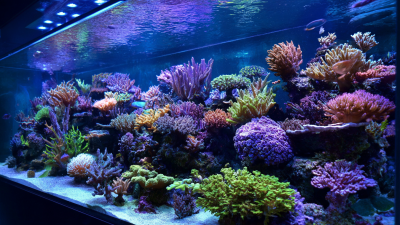
Marine aquariums demand tighter control. A salinity meter helps maintain the intended salt level after evaporation. Strong circulation distributes oxygen and prevents stagnant corners. Reef systems also need suitable lighting for photosynthetic organisms, while a protein skimmer can reduce dissolved waste. A reliable test kit should cover pH, alkalinity, calcium, and nitrate.
Keep a quarantine container nearby. It does not need to be elaborate. A heater, sponge filter, lid, and separate net can limit avoidable disease spread. In my experience, rushed acclimation causes more trouble than weak equipment.
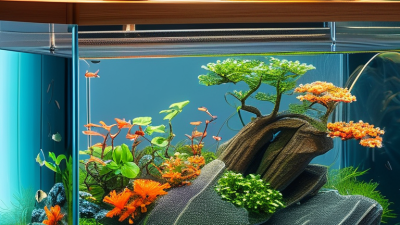
Planted freshwater tanks need different priorities. Full-spectrum lighting supports plant growth, but excessive intensity may encourage algae. Fine substrate anchors roots; gentle fertilization can support demanding species. CO2 equipment may help, though beginners sometimes add it before correcting light duration. Shrimp tanks benefit from a pre-filter sponge, stable temperature, and low-flow filtration. Outdoor ponds require shade, netting, aeration, and a pump sized for the actual volume. Buyers in different regions should check voltage compatibility and replacement-part availability. Oversized equipment creates exhausting currents. Undersized equipment fails quietly.
Aquarium products play a direct role in fish health and stable water quality. A suitable filter removes suspended waste and provides surfaces for beneficial bacteria. These bacteria help process toxic ammonia and nitrite from fish waste. However, filtration does not replace regular maintenance. I have seen clear water hide dangerous chemical changes.
A reliable thermometer helps keep temperature within the needs of the species. Sudden temperature shifts can weaken fish and reduce their ability to resist disease. Test kits should check ammonia, nitrite, nitrate, and pH. Small changes matter. Weekly testing is useful, especially after adding fish or cleaning filter media. Water conditioners can make tap water safer when used according to their instructions.
Air pumps and air stones improve surface movement and gas exchange. They are especially helpful in warm tanks or crowded aquariums. Gravel cleaners remove waste trapped near the bottom, while algae tools protect viewing areas without disturbing fish too much. Clean equipment is important, but over-cleaning can remove helpful bacteria. That mistake is easy to make. Fish still need observation: clamped fins, rapid breathing, hiding, or loss of appetite may signal stress before test results change. Different species also need different temperatures, flow levels, and shelter, so buyers should check care requirements instead of choosing products by appearance alone.
Dissolved oxygen decreases as freshwater temperature rises. The chart shows approximate oxygen saturation levels at sea level, highlighting why aquarium products such as air pumps, filters, circulation systems, heaters, and water-quality test kits are important. These products help maintain stable temperature, improve gas exchange, remove waste, and keep ammonia and nitrite at safe levels for fish.
Reference values: approximate dissolved oxygen saturation in clean freshwater at sea level.
Global buyers choose aquarium products because they support both daily enjoyment and practical aquatic care. According to the American Pet Products Association’s 2023–2024 survey, about 11.1 million U.S. households keep freshwater fish, while 2.2 million keep saltwater fish. These figures show sustained household demand. Fish tanks also fit apartments, offices, restaurants, hotels, and educational spaces.
Commercial users need reliable systems, not attractive decoration alone. Filtration units remove waste, water-testing kits monitor pH and ammonia, and LED lighting supports clear viewing. Grand View Research estimated the global aquarium market at approximately USD 7.29 billion in 2023. The report also projected strong growth through 2030, driven by home ownership, interior design, and interest in aquatic hobbies. Buyers often compare energy use, replacement parts, noise levels, and maintenance time before purchasing. Small details matter.
Experience can expose a weakness in market forecasts. A larger tank is not always easier to manage. Poor water circulation or unsuitable stocking can create stress quickly. Aquarium products therefore need clear specifications and practical instructions. Buyers in different regions also face different water conditions, climates, and electrical standards. Reliable sellers should provide tested materials, safety information, and after-sales guidance. Numbers show demand, but responsible product selection protects living animals and improves long-term customer trust. Mistakes still happen.
Buyers should evaluate aquarium products by habitat needs, not appearance alone. Grand View Research valued the global aquarium market at approximately USD 6.3 billion in 2023. It also projected strong growth through 2030. This demand reflects more home aquariums, but growth does not guarantee better purchasing decisions. Water volume, species size, temperature, and stocking density should guide every selection. Fit matters more. A filter rated for 200 liters may perform poorly in a crowded 200-liter tank. Buyers should check actual flow, biological media capacity, noise levels, and cleaning access. A transparent specification sheet is more useful than attractive packaging.
Electrical safety deserves equal attention. Products should match the buyer’s local voltage, plug system, and recognized safety requirements. Look for water-resistance information, thermal protection, replacement parts, and a clearly stated warranty. Energy consumption also affects long-term cost. The U.S. Environmental Protection Agency reports that efficient equipment can reduce household energy use, although aquarium-specific savings vary by setup. Buyers should request test methods instead of trusting broad efficiency claims.
That assumption fails. APPA’s 2023–2024 National Pet Owners Survey counted about 10.5 million U.S. freshwater-fish households and 2.5 million saltwater-fish households. This large user base creates useful experience, but online reviews remain inconsistent. Compare independent testing, maintenance records, and after-sales response. No checklist is perfect. Water quality, durability, and animal welfare still require observation after installation.
Copyright © 2021 Payless Pet Products - All Rights Reserved.