What is a Portable Ice Box and How to Choose the Best One?
The Portable Ice Box has become an essential item for outdoor enthusiasts and families alike. With a market size projected to reach $2.1 billion by 2026, its popularity is clear. These versatile coolers are perfect for camping trips, picnics, and beach outings. They keep food and drinks cold, ensuring freshness and safety.
When choosing a Portable Ice Box, many factors come into play. Insulation quality, size, and weight are crucial. Some models boast advanced insulation technology that can keep ice for several days. Consumer reviews often highlight durability and ease of transport as key features. However, not all brands are equal.
While many users have had positive experiences, some Portable Ice Boxes fall short in performance. Issues such as poor sealing or inadequate insulation can lead to disappointment. Therefore, it's important to research before purchasing. An informed choice can make every outdoor experience more enjoyable.
What is a Portable Ice Box? Definition and Key Features
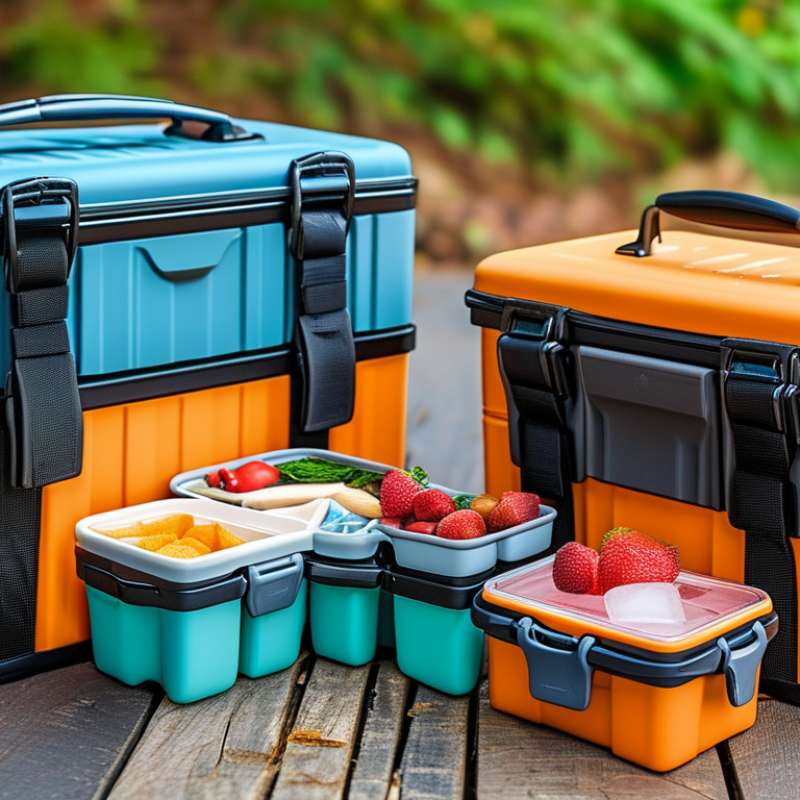
A portable ice box is a versatile cooler designed for outdoor activities, including camping, picnics, and tailgating. These containers keep food and beverages cold for extended periods. Typically, they come with insulation that retains ice for days. Some models even provide additional features like built-in wheels for easy transport or compartments for organization. According to a recent market analysis, the portable cooler industry is expected to reach $1.5 billion by 2024, reflecting the growing demand for outdoor recreation products.
When choosing an ideal portable ice box, consider its insulation quality and capacity. A model with thicker walls generally offers better insulation. Look for options that specify cooling performance, often measured in hours or days of ice retention. Some reports indicate that high-quality coolers can retain ice for up to a week, depending on external temperatures. Additionally, user reviews often mention weight and ease of handling. It's crucial to balance capacity with portability since heavy coolers can become a burden during travel.
The variety of materials used in construction can impact durability and performance. For instance, hard plastic is common but may crack in extreme conditions. On the other hand, rotomolded models boast better resilience. However, they usually come at a higher price point. Evaluating the materials and customer feedback on longevity can guide buyers in making informed choices. Each of these factors matters in the selection process, yet personal preferences also play a significant role.
The Importance of Insulation: How It Affects Ice Retention
Insulation plays a crucial role in the effectiveness of a portable ice box. High-quality insulation can significantly enhance ice retention, which is essential for camping trips or picnics. According to a report from the Association of Home Appliance Manufacturers, better insulated coolers can maintain temperatures for over 5 days. In contrast, poorly insulated models may only keep ice for 24 hours.
The type of insulation used is vital in determining performance. For instance, polyurethane foam has a higher R-value, indicating better thermal resistance. The thickness of the insulation layer also matters; thicker walls can create a more effective thermal barrier. In a study by the International Journal of Refrigeration, it was noted that coolers with at least 2 inches of insulation outperformed those with thinner walls in heat retention tests.
When selecting an ice box, consider the insulation material and thickness. You might find some models lacking in these areas. Not all portable ice boxes on the market meet these benchmarks. It is essential to read reviews and possibly test different options. This hands-on approach can ensure you invest in a cooler that meets your needs for ice retention.
Material Choices for Portable Ice Boxes: Pros and Cons
When choosing a portable ice box, material is a key consideration. Common materials include plastic, metal, and foam. Each has its own advantages and disadvantages.
Plastic ice boxes are lightweight and often affordable. They resist corrosion and are easy to clean. However, some plastics may crack in extreme temperatures.
On the other hand, metal options offer durability and better temperature retention. Stainless steel is particularly strong but can be heavy and more expensive. They also require more maintenance to prevent rust.
Foam-filled ice boxes are excellent for insulation. They keep items cold for extended periods. However, they can be less durable and may not withstand rough handling. Their lightweight nature is appealing, yet they may not be suitable for long trips.
Reflecting on these aspects can significantly impact your choice. Consider what matters most for your specific needs.
Top Brands and Their Market Share in Portable Ice Boxes
The portable ice box market has been growing steadily in recent years. According to a report by Grand View Research, the market is projected to reach $1.2 billion by 2025. This growth highlights the increasing demand for quality ice boxes in outdoor activities and events. Factors such as portability, insulation efficiency, and storage capacity play crucial roles in consumer choices.
Top brands dominate the portable ice box market. Research indicates that these brands hold approximately 70% of the market share. They invest significantly in technology and design to enhance user experience. Features like lightweight materials and advanced insulation techniques have made a difference. However, not all brands succeed. Some fail to deliver promised performance during extreme conditions. This inconsistency can lead to consumer disappointment.
Analysts emphasize the importance of customer feedback. Many users report issues with durability and temperature retention. It’s essential for buyers to consider these factors when making their choice. Understanding various brands and their positions in the market helps consumers navigate their options effectively.
Choosing the Right Size: Capacity Considerations for Different Uses
When choosing a portable ice box, size matters greatly. The capacity should match your needs. For a short picnic, a small box will suffice. However, if you’re planning an extended camping trip, opt for a larger unit. Think about the number of people and the type of foods you’ll bring. A larger box can hold drinks, snacks, and meals. It's essential to visualize your needs before making a purchase.
Consider the intended use. A family outing might require a different capacity than a solo fishing trip. If you only need ice for drinks, a smaller capacity is adequate. But if you plan to keep perishable foods fresh, more space is necessary. Ice retention is another factor. A bigger box usually has better insulation, keeping things cold for longer. Just remember, larger ice boxes can be cumbersome. They can be heavy and difficult to carry.
Finally, reflect on storage when not in use. A large ice box can take up valuable space. Ensure it can fit in your vehicle and home easily. Sometimes, you may need to compromise. Evaluate your common outings and choose the size that fits those needs without becoming a burden. The right portable ice box strikes a balance between capacity and convenience.
Choosing the Right Size: Capacity Considerations for Different Uses