How to Choose Thermal Print Paper in 2026?
In 2026, choosing Thermal Print Paper is no longer a simple price comparison. Retailers, clinics, warehouses, and delivery teams need paper that matches equipment, workflow, and local requirements. A roll can look flawless at purchase, then fade after weeks near a sunny window. That detail matters.
This guide examines thermal sensitivity, coating quality, thickness, roll size, core diameter, and print-head compatibility. It also considers BPA- and BPS-related claims, supplier documentation, and regional chemical requirements. Responsible buyers should request technical data sheets, safety documents, and independent compliance evidence when available. These records are more useful than vague labels such as “premium” or “eco-friendly.” Test before buying in volume. Print a sample barcode, fold the receipt, and store copies under heat, light, and moisture. Then check readability.
Practical experience shows that the cheapest roll can create hidden costs through jams, dark backgrounds, or replacement print heads. However, premium paper is not automatically the best choice. A smaller store may value reliable scanning, while a logistics operation may prioritize long-term image stability. There is no universal answer. Even published specifications can fail to predict every printer-paper combination. That uncertainty deserves honest attention. By comparing measured performance, trustworthy documentation, and real operating conditions, buyers can choose Thermal Print Paper with greater confidence in 2026.
Thermal Paper Basics: How the Printing Process Determines Paper Choice
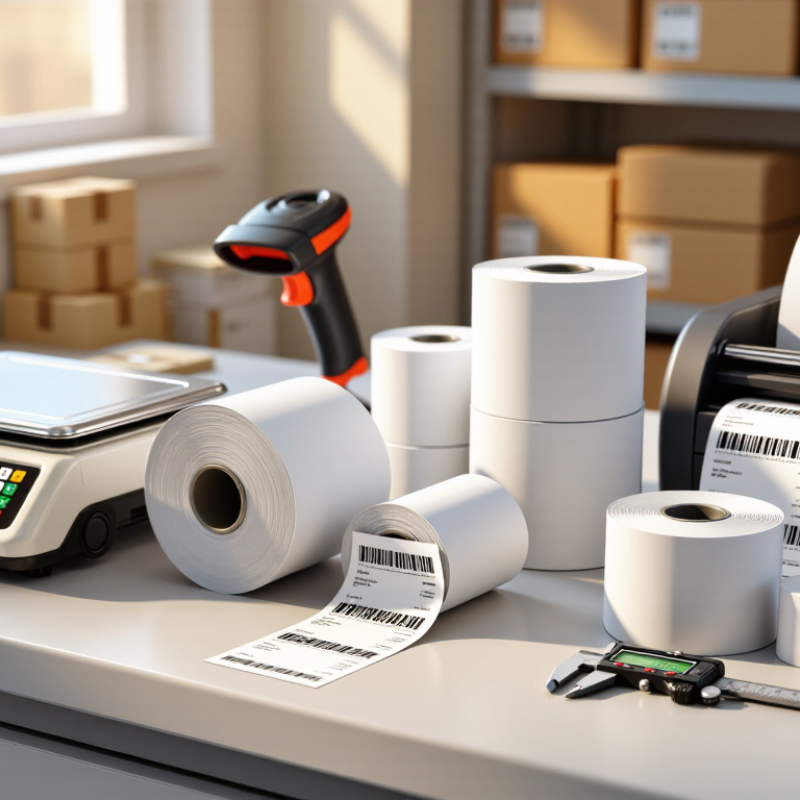
Thermal paper choice begins with the printer’s heat method. Direct thermal printers create images by heating a chemical coating on the paper. No ink or ribbon is required. The printed mark appears where the thermal head touches the surface. This makes direct thermal paper useful for receipts, tickets, weighing labels, and short-term records. It also explains its weakness. Heat, sunlight, friction, and plastic contact can darken or fade the image.
Thermal transfer printing works differently. A heated printhead melts ink from a ribbon onto the label surface. The paper does not need a heat-sensitive coating. This process usually offers stronger resistance to moisture, abrasion, and storage conditions. Choose a compatible coated or uncoated stock based on the ribbon type and application. A freezer label, warehouse tag, and delivery document face different stresses. One paper cannot perform equally well everywhere.
Check width, roll diameter, core size, coating quality, and printer temperature settings. A smooth surface supports sharper barcodes and smaller text. Test a sample at actual speed, especially when scanning matters. I have seen acceptable-looking prints fail after repeated rubbing. That result is easy to miss in a clean office. No stock is perfect. Storage life also depends on light, humidity, chemicals, and handling. Ask for technical specifications, then verify them with a small real-world trial.
Match Paper Size, Thickness, and Core to Your Thermal Printer
Choosing thermal print paper in 2026 starts with the printer, not the paper shelf. Measure the usable print width, roll diameter, and core opening. A roll can match the width but still fail inside the compartment. Check the printer manual and measure an existing roll when possible. Measure twice. Fit matters.
Paper thickness affects feeding, image sharpness, and roll capacity. Thin paper holds more labels or receipts, but it may wrinkle in a loose mechanism. Thicker stock often feels stronger, yet it can exceed the printer’s recommended range. For direct thermal printing, confirm the coating suits the expected heat level. Poorly matched coating may create pale text, dark streaks, or fading under light and heat. Test a short batch before ordering in bulk.
The core must sit securely on the printer’s holder. A loose core can wobble and shift the paper path. A tight core may not load at all. Also check the winding direction and the maximum outside roll diameter. These details are easy to overlook. In practical checks, the first sample often looks acceptable, while longer runs reveal curling or feed resistance. Record the paper width, thickness, core size, and roll diameter after testing. My own preference is not always the best choice; printer tolerance, storage conditions, and daily volume can change the result.
Evaluate Image Quality, Durability, and Environmental Conditions
How to Choose Thermal Print Paper in 2026?
Choosing thermal print paper in 2026 requires more than checking the price per roll. Image quality depends on coating consistency, sensitivity, and printer temperature. In practical testing, fine text looks sharper when the paper reacts evenly across its surface. Uneven coating creates pale corners and broken barcode lines. Test a small batch first. Print a dense label, tiny text, and a grayscale image. Let them sit under normal light for several days. Compare contrast before approving a large order. This simple check often reveals problems that product sheets miss. Still, image quality is not permanent. Some high-contrast prints fade faster than expected.
Durability should match the journey, not just the printer. For warehouse labels, check resistance to abrasion from cartons and repeated handling. For receipts, consider skin oils, folding, and heat inside vehicles. Environmental conditions can change results quickly. Humidity may soften paper and cause feeding issues. Cold storage can reduce flexibility. Direct sunlight may fade sensitive images within weeks. Measure your workspace with a thermometer and humidity meter. Choose a protective coating when labels face moisture, friction, or chemicals. I once overvalued immediate sharpness and ignored storage conditions. That decision caused avoidable reprints. Paper selection still involves judgment, testing, and some honest doubt.
Check Safety Standards, Storage Needs, and Total Operating Costs
Choosing thermal print paper in 2026 requires more than comparing roll prices. Safety should come first. The European Chemicals Agency restricted bisphenol A in thermal paper across the European Economic Area from January 2020. However, substitute developers also need careful review. Some may create environmental or handling concerns. Check supplier declarations, Safety Data Sheets, and compliance with REACH, RoHS, and applicable food-contact rules. The U.S. Environmental Protection Agency’s alternatives assessment also recommends evaluating the entire chemical profile, not only one banned substance.
Storage affects readability and waste. Keep unused rolls in their original packaging, away from sunlight, heat, moisture, and cleaning chemicals. A practical target is about 20–25°C and 45–65% relative humidity. Follow the paper maker’s tested limits. The ISO 18911 framework supports controlled storage for imaging materials, although thermal paper needs product-specific verification. Smithers’ 2024 thermal printing market outlook identifies retail, transport, and healthcare as major demand areas, where faded labels can cause expensive reprints. I have seen low-cost rolls turn gray after several weeks. The saving was not real.
Tips: Calculate total operating cost per 1,000 labels. Include roll waste, printer cleaning, reprints, rejected scans, storage space, and disposal. Compare core size, length, coating durability, and print density. The 2023 Global E-waste Monitor reported 62 million tonnes of electronic waste worldwide, so longer-lasting equipment and fewer failed prints deserve attention. The calculation will not be perfect. It should still be documented and reviewed quarterly.