How to Choose the Best Personal Scooter?
Choosing the best Personal Scooter starts with your daily routine, not a glossy product image. Think about your actual route: a smooth office corridor, uneven pavement, steep hills, or crowded public transport. A lightweight model may feel convenient indoors, yet its smaller wheels can feel unstable on rough ground. A heavier scooter may offer better control, but carrying it upstairs quickly becomes tiring.
Pay close attention to range, braking performance, tire design, motor power, and charging time. Manufacturer range figures often reflect ideal conditions. Cold weather, rider weight, hills, and frequent stops can reduce real-world distance. Leave a sensible reserve. Running out of power beside a busy road is not a pleasant experiment.
Try before buying whenever possible. Stand naturally on the deck, test the throttle gently, and check whether the handlebars feel secure. The brake should respond smoothly, without a sharp jerk. Look for visible build quality, clear user instructions, reliable customer support, and replacement parts that are easy to find. Safety features, lighting, reflectors, and an audible warning device also matter, especially during low-light travel.
There is no perfect choice.
Your priorities may change after one week of use. A model that seems ideal online might feel awkward during a ten-minute commute. Read independent reviews, compare verified specifications, and consider local riding requirements before spending money. The best Personal Scooter balances comfort, control, portability, reliability, and realistic performance. It should fit your life quietly, without creating new problems.
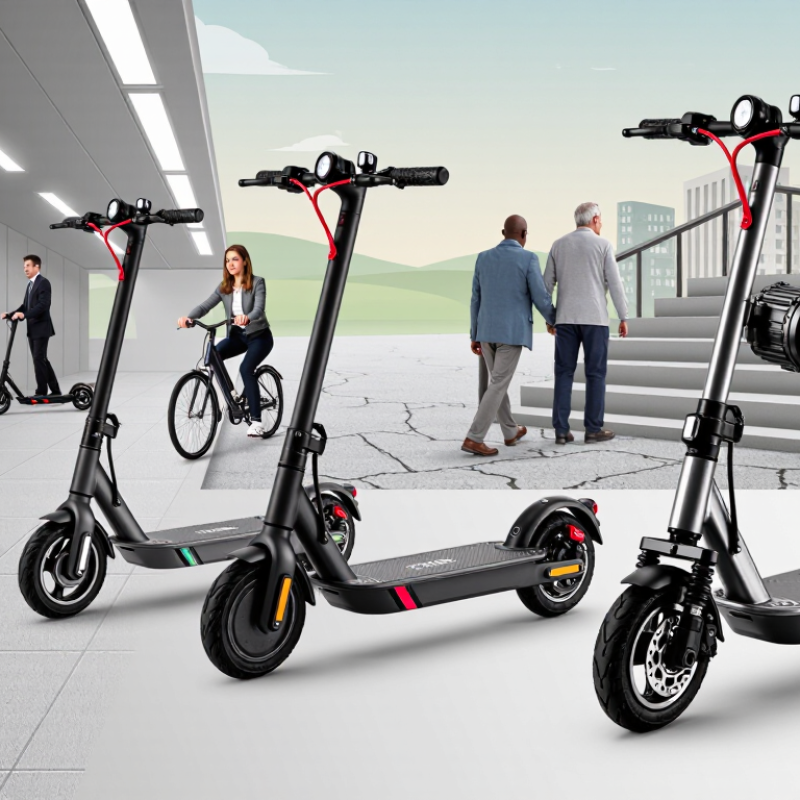
Define Your Main Needs and Riding Environment
How to Choose the Best Personal Scooter?
Define your main needs before comparing scooter features. A short city commute requires different equipment from weekend rides. Measure your usual route, including hills, rough pavement, narrow paths, and crowded crossings. A lightweight scooter is easier to carry upstairs, but it may feel less stable on uneven ground.
Range estimates can be misleading. Cold weather, rider weight, hills, and frequent braking reduce battery performance. Choose extra capacity for your normal trip, rather than trusting the maximum figure alone. Check the scooter’s weight, charging time, braking system, tire design, and lighting. A firm deck and comfortable handlebar can reduce fatigue during daily use. Try it slowly first.
Your riding environment matters just as much. Solid tires resist punctures, while air-filled tires usually absorb bumps better. Wet roads demand cautious speed, reliable brakes, and suitable traction. Storage also deserves attention. A scooter left outdoors may deteriorate faster, even when its specifications look impressive. I would verify the manual, warranty terms, safety certifications, and local riding rules before paying. These details are easy to overlook. A test ride may still change your opinion, because numbers cannot show every vibration, turning response, or awkward folding movement.
Compare Scooter Types and Essential Features
How to Choose the Best Personal Scooter?
Compare Scooter Types and Essential Features
Choosing a personal scooter starts with your route, not its advertised top speed. A lightweight kick scooter suits short trips and easy storage. An electric commuter scooter handles longer urban journeys with less effort. A seated model may feel steadier for extended rides, while larger pneumatic tires can absorb cracked pavement. Your daily surface matters. A smooth showroom floor does not.
NACTO’s 2023 Shared Micromobility Report recorded 157 million shared micromobility trips in the United States and Canada. That figure reflects growing demand, but shared-use data cannot predict your personal needs. Check real range against hills, cold weather, rider weight, and frequent stops. Manufacturers often measure range under controlled conditions. My own practical test would include the full commute, not a gentle loop. Leave a margin.
Braking deserves careful attention. Look for responsive brakes, visible front and rear lights, reflectors, and a stable handlebar. Pneumatic tires improve comfort, but they need regular pressure checks. Solid tires resist punctures, yet transmit more vibration. Also compare charging time, folding weight, deck space, and water-resistance guidance. The International Transport Forum’s Safer Micromobility report emphasizes speed management, visibility, and reliable vehicle control. A powerful motor may sound attractive, but control is more useful than acceleration. I would inspect screws and brake response after several rides. Small faults become expensive surprises.
How to Choose the Best Personal Scooter?
Compare common scooter types by their typical maximum speed. Actual performance depends on rider weight, terrain, battery condition, local regulations, and product design.
How to choose: Kick scooters are lightweight and easy to carry. Electric commuter scooters balance speed, range, and portability. Seated mobility scooters prioritize stability, comfort, and controlled speed. Off-road scooters offer higher power and suspension for uneven terrain, but they are usually heavier.
Before buying, check the real-world range, maximum rider weight, braking system, tire type, suspension, lighting, water resistance, folding mechanism, charging time, and whether the scooter complies with local traffic regulations.
Check Safety, Comfort, and Accessibility Requirements
When choosing a personal scooter, start with the places you will actually use it. Measure doorways, lift entrances, storage areas, and turning spaces. A compact model may fit indoors but feel unstable outdoors. Check the braking system, lights, reflectors, horn, and tyre condition. Controls should remain clear when your hands are cold or tired. Test them carefully.
Comfort affects safe decision-making. Sit for at least ten minutes, not just briefly in a showroom. Your back should feel supported, and your feet should rest naturally. Adjustable handlebars and a well-padded seat can reduce strain during longer trips. Check the suspension on uneven paths. Small wheels may struggle over cracks, gravel, or steep kerbs. That detail is easy to miss.
Accessibility needs honest attention. Consider your strength, balance, vision, and ability to transfer from a chair. Can you operate the controls without twisting your wrist? Can someone help with charging or maintenance? Review the user manual, weight limits, battery information, and recommended surfaces. A qualified mobility adviser or occupational therapist can assess your daily route. I once focused too much on turning space and overlooked storage height. Practical testing revealed that mistake quickly. A short trial near home may expose problems that specifications cannot.
Evaluate Battery Range, Portability, and Maintenance
How to Choose the Best Personal Scooter?
Battery range should match your real journey, not an impressive laboratory figure. A practical estimate considers rider weight, hills, temperature, wind, and frequent stops. Cold weather can noticeably reduce performance. Leave a safety margin of at least 20 percent for unexpected detours. Check whether the battery is removable, replaceable, and covered by clear service information. A charging indicator is useful, but it may not show exact remaining distance. Range estimates are imperfect.
Portability matters when the scooter enters an elevator, car trunk, or narrow hallway. Measure the folded height and width before buying. Weight matters even more on stairs. Try lifting the scooter briefly, if possible, and inspect the folding latch for firm, simple operation. A compact model may still feel awkward if its balance is poor. Small wheels can also make rough pavement uncomfortable. I would prioritize stable handling over the smallest folded dimensions.
Maintenance should be simple enough for a busy week. Check tire pressure regularly, because soft tires reduce efficiency and control. Inspect brakes, fasteners, lights, and folding joints for looseness. Keep charging ports clean and dry. Store the scooter away from extreme heat and moisture, following the supplied safety guidance. Ask whether replacement tires, brake parts, and battery service are available locally. A lower purchase price can become expensive when basic parts are difficult to obtain.