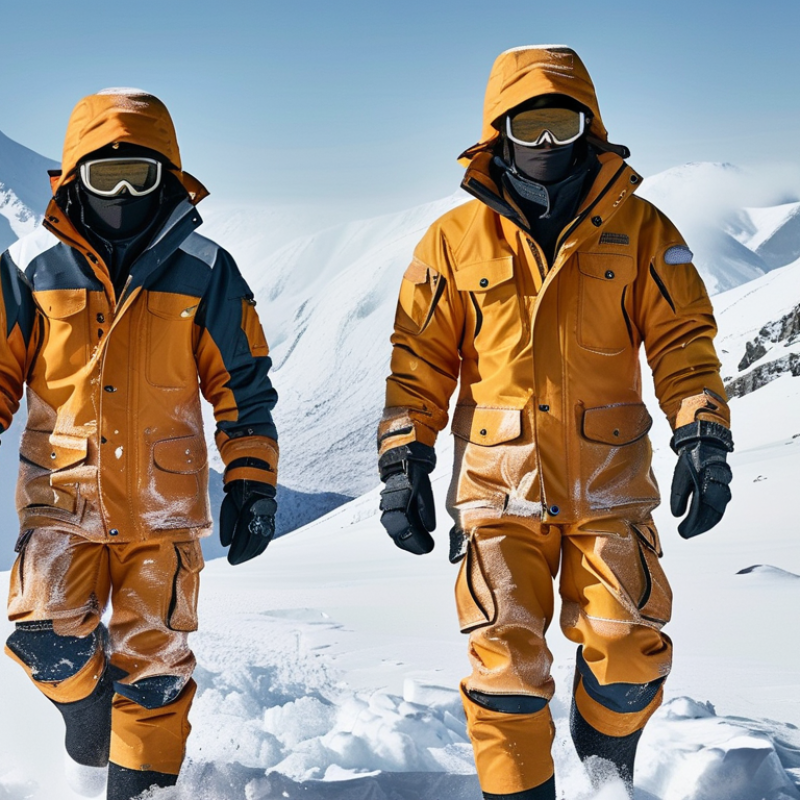
Best Snow Wear for Winter Adventures What to Look For?
Winter adventures demand the right Snow Wear. Choosing the best gear can significantly enhance your experience. Quality snow wear keeps you warm, dry, and protected from harsh conditions.
When selecting snow wear, consider materials and insulation. Look for waterproof and breathable fabrics. The right layering system can make a huge difference. A reliable jacket and well-fitted pants are essential for mobility. Don't overlook accessories like gloves and hats. These items can often be an afterthought but are crucial.
It's easy to get overwhelmed by options. Not all brands deliver the same quality. Research and reviews play a vital role in informed choices. Seek recommendations from trusted experts and fellow enthusiasts. These insights help you avoid pitfalls. In snow wear, the right choices can elevate your adventure.
Features of High-Performance Snow Wear for Extreme Conditions
When exploring extreme winter conditions, high-performance snow wear is essential. Look for materials that offer excellent insulation and breathability. Synthetic materials often outperform natural fibers in wet conditions. Waterproof and windproof fabrics help protect against the elements, ensuring you stay warm and dry.
Layering is crucial for optimal warmth. Consider a moisture-wicking base layer, an insulating mid-layer, and a protective outer layer. This combination allows for flexibility and adjustments based on your activity level. Remember, everyday wear might not suffice for extreme climates.
Tips: Check zippers and seams for durability. Ensure the fit allows free movement without being baggy. Additionally, pockets should be strategically placed and easily accessible. Noting these details can save you discomfort during adventures. Always prioritize your safety while enjoying winter sports. Balancing performance with comfort is key.
Best Snow Wear for Winter Adventures: What to Look For?
| Feature | Description | Importance |
| Insulation | Provides warmth without bulk, often made from synthetic or down materials. | Essential for keeping body heat in extreme cold. |
| Waterproofing | Prevents moisture from snow and rain from penetrating the fabric. | Crucial for staying dry and comfortable during wet conditions. |
| Breathability | Allows moisture and sweat to escape, reducing clamminess. | Important for maintaining comfort during high activity levels. |
| Fit | Should allow freedom of movement while still being snug enough to trap body heat. | A proper fit enhances performance and comfort. |
| Ventilation | Zippers or mesh openings that allow for airflow without letting snow in. | Helps regulate body temperature and reduce sweat build-up. |
| Durability | Material should withstand abrasions, tears, and harsh conditions. | Important for long-lasting performance in rugged environments. |
Understanding Insulation Types: Down vs. Synthetic Materials
When choosing snow wear for winter adventures, insulation is paramount. Understanding the differences between down and synthetic materials can significantly impact your comfort and performance. Down insulation is made from the soft feathers of ducks or geese. It is known for its exceptional warmth-to-weight ratio. Reports indicate that down insulation can provide warmth even in sub-zero temperatures, benefiting those engaged in extreme sports. However, down loses its insulating properties when wet, making it less ideal in damp conditions.
On the other hand, synthetic insulation, such as polyester fibers, excels in wet environments. Studies show that synthetic materials retain heat even when wet and provide quicker drying times. This is vital for winter activities involving snow or moisture. While synthetic options may be bulkier and heavier compared to down, advancements in technology have led to lighter fabrics that still offer robust insulation. Many users find that the choice between down and synthetic boils down to personal preference and specific needs.
It's essential to evaluate the conditions you will face during your adventures. Not every scenario demands the lightest or warmest option. Sometimes, a balance of warmth, weight, and moisture resistance is needed. Consider your typical winter activities and gear accordingly. Each material has its advantages and disadvantages. The right choice enhances your experience in the winter outdoors.
Waterproofing Technologies: How to Choose Between Ratings
When selecting snow wear for winter adventures, waterproofing is a key factor to consider. There are various waterproof ratings to evaluate. Typically, these ratings range from 1,000 mm to over 30,000 mm. A higher number indicates better water resistance. However, this can lead to confusion. Not every activity requires the highest rating. Some casual experiences may only need a basic level of protection.
Different waterproof technologies exist, each with its pros and cons. Membrane technologies like Gore-Tex often provide superior breathability and water resistance. This can be useful for high-energy activities. Coatings and treatments are less effective under demanding conditions but are lighter and often less expensive. Not every coating will endure over time. Regular maintenance is essential, and they may need to be reapplied.
It’s also essential to think about breathability. A balance between waterproofing and ventilation will keep you comfortable. Remember, a fully waterproof jacket can sometimes lead to overheating during exertion. Test your gear in varied conditions. This experience will refine your choices. Reflect on what worked well and what didn’t.
Understanding your needs is crucial for future purchases.
Layering Systems: Importance of Base, Mid, and Outer Layers
Layering systems are essential for winter adventures. Properly layered clothing enhances comfort and performance in cold conditions. Base layers are crucial for moisture management. They sit close to the skin, wicking sweat away. Look for materials like merino wool or synthetic options. They provide warmth while keeping you dry.
Mid layers offer insulation. Fleece and down are popular choices. These materials trap body heat effectively. It's important to find a balance. Too much insulation can lead to overheating. You want to maintain a comfortable temperature during activity. Choose mid layers that fit snugly but allow movement.
Outer layers protect against wind and water. A good shell layer is key to staying dry. Breathable fabrics are essential for active pursuits. Be cautious with your choices; not all materials perform equally. Remember that the best gear may not always be the most expensive. Pay attention to build quality and functionality. The right layering system allows for enjoyable adventures in the snow.
Best Snow Wear for Winter Adventures: Layering Systems
Fit and Mobility: Key Considerations for Optimal Performance in Snow
When exploring winter’s beauty, choosing the right snow wear is crucial. Fit and mobility are essential for optimal performance in snowy conditions. A well-fitted jacket should hug your body comfortably without restricting movement. Look for styles that allow you to raise your arms freely. If the jacket feels tight, you might struggle while skiing or snowboarding.
Mobility isn't just about fit; it also involves flexibility in design. Features like articulated elbows and adjustable cuffs enhance movement. Snow pants should be lightweight yet insulated, letting you crouch or bend easily. It’s important to remember that too much insulation can hinder your range of motion. Many overlook this factor. They may end up feeling stiff, missing out on the joy of winter adventures.
Test your snow wear before relying on it for critical trips. Bend, jump, and stretch in the material. Pay attention to how the fabric reacts. Is it breathable? Does it feel restricting? Sometimes, what looks great on the rack falls short on the slopes. Selecting the right snow wear can enhance your experience, allowing you to embrace the thrill of winter fully.