7 Tips for Buying Reishi Mushroom Extract?
Buying reishi mushroom extract can look simple until labels, species names, and laboratory claims compete for attention. A dark bottle and polished packaging do not prove quality. Reliable choices require closer inspection.
This guide presents seven practical tips for evaluating reishi mushroom extract before purchase. It considers the mushroom species, growing conditions, extraction method, and active-compound information. It also explains why beta-glucan testing deserves attention, while vague “polysaccharide” claims may create confusion. Clear labeling matters. So does independent laboratory testing.
Look for the scientific name, plant part, extraction details, serving size, batch information, and contact details for the manufacturer. Products with transparent certificates of analysis offer stronger evidence than products relying on impressive language. Third-party testing may check identity, heavy metals, microbes, and unwanted contaminants. However, testing standards can vary. A certificate is useful, not magical.
The guide also discusses capsules, powders, tinctures, and blended formulas. Each format presents different storage and comparison challenges. Consider your personal needs, allergies, medications, and advice from a qualified healthcare professional. Reishi products are not automatically suitable for everyone. “Natural” is not the same as risk-free.
Some buying decisions remain imperfect. Labels may omit useful details, and online reviews can be difficult to verify. That is why careful comparison beats impulse purchasing. A trustworthy product should make reasonable claims, disclose meaningful evidence, and follow applicable safety and labeling requirements. With these checks, shoppers can make a more informed decision without treating marketing promises as scientific conclusions.
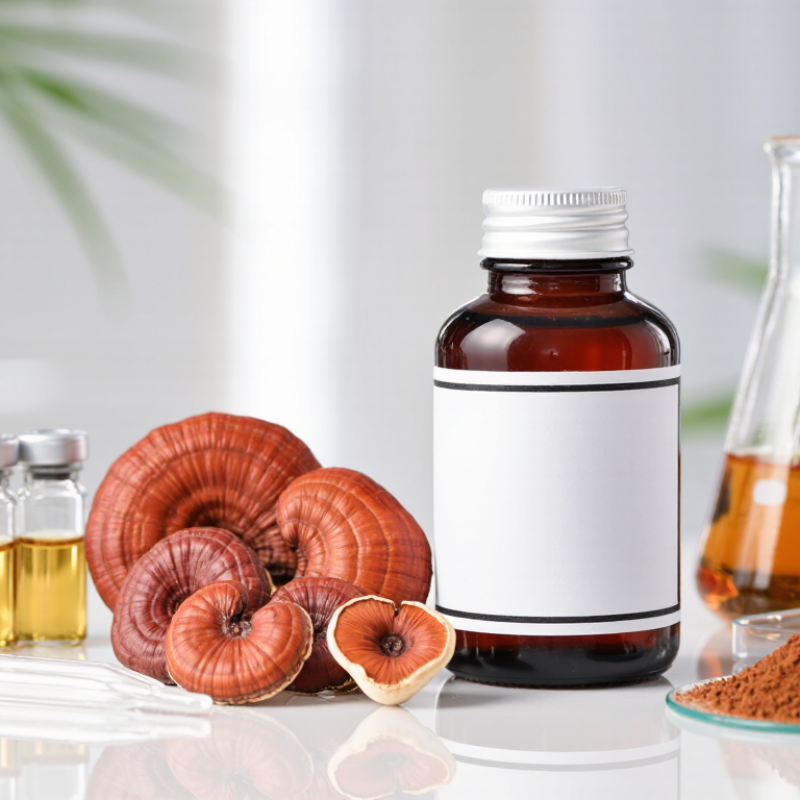
What Is Reishi Mushroom Extract and How Is It Made?
Reishi mushroom extract is a concentrated preparation made from the fruiting body or mycelium of Ganoderma lucidum. It is not simply dried mushroom powder. Manufacturers usually break down the material with hot water, alcohol, or both. These solvents draw out different compounds, including beta-glucans and triterpenes. The extraction method matters.
Hot-water extraction is commonly used for water-soluble polysaccharides. Alcohol extraction may help release triterpenes, often called ganoderic acids. Some products use a dual extraction to capture both groups. The final liquid is filtered, concentrated, and spray-dried into powder. Processing conditions can affect color, aroma, and potency. Dark powder is not automatically better.
When buying reishi extract, read beyond the front label. Check whether it identifies the mushroom part, extraction method, and standardized compounds. A reliable certificate of analysis should show testing for heavy metals, microbes, pesticides, and undeclared ingredients. Look for a clear serving size, batch number, and accessible laboratory information. Vague wording deserves caution.
Personal experience can vary. Some people notice digestive discomfort, especially with concentrated products. Evidence for wellness benefits remains developing, and an extract should not replace medical care. People using medication or managing liver conditions should ask a qualified healthcare professional before use. I once assumed a higher extraction ratio meant a stronger product, but that shortcut can mislead. The raw material, testing, and measured compounds matter more.
Which Reishi Extract Form Best Fits Your Needs?
Reishi extract is not one uniform product. Capsules suit busy routines because each serving is measured and portable. Powder works well for people who enjoy mixing supplements into warm drinks or food. Liquid extracts can be easier to adjust, but droppers vary. Small details matter. The best form is the one you can use consistently without guessing.
Check the label before choosing. Look for the mushroom part used, extraction method, beta-glucan content, and independent testing. Hot-water extraction commonly targets water-soluble compounds, while alcohol processing may capture other constituents. Some products use both methods, but “dual extraction” alone does not prove quality. Ask whether the product contains fruiting body, mycelium, or a blend. That distinction deserves more attention than glossy packaging. Honestly, labels are not always clear.
Your goal and tolerance should guide the final choice. If swallowing is difficult, a liquid may feel practical. If taste bothers you, capsules may win. Sensitive stomach? Start cautiously.
Follow the stated serving, and discuss reishi with a qualified healthcare professional if you take medicines or have a medical condition. Evidence for many wellness claims remains limited, so avoid products promising instant results. I would compare batch testing, ingredient transparency, and return policies before price alone.
How to Evaluate Reishi Species, Potency, and Active Compounds
Buying reishi extract starts with species identification, not a colorful label. Ganoderma lucidum and Ganoderma lingzhi are commonly discussed, yet names vary by region. Ask whether testing confirms the species and mushroom part used. Fruiting bodies and mycelium can have different chemical profiles. That difference matters.
Potency should describe measured compounds, not simply “high strength.” Look for beta-glucan content and triterpenes, often reported as ganoderic acids. Check the testing method, serving size, and whether results apply to the finished extract. A large mushroom-equivalent number may sound impressive but reveal little. I prefer a recent certificate of analysis showing identity, concentration, and tests for microbes, heavy metals, and unwanted residues. Third-party testing adds confidence, though it is not absolute proof.
Extraction details also deserve attention. Hot-water extraction may emphasize polysaccharides, while alcohol processing can capture more triterpenes. Some products use both. Read the solvent and extraction ratio instead of guessing from the front label. Store the container away from heat and moisture, then follow its serving guidance. Reishi is not automatically suitable for everyone, especially people using medicines or managing health conditions. A qualified healthcare professional can review possible interactions. Labels are imperfect. If important testing details are missing, treat that absence as useful information.
What Quality, Safety, and Testing Standards Should You Check?
7 Tips for Buying Reishi Mushroom Extract
A trustworthy reishi extract should identify the mushroom species clearly, such as Ganoderma lucidum or Ganoderma tsugae. Check whether it uses the fruiting body, mycelium, or both. These materials can differ in composition. Look for stated levels of beta-glucans and triterpenes, not only vague “mushroom complex” wording. The extraction method also matters. Hot-water extraction supports polysaccharide extraction, while alcohol extraction may help release triterpenes. Some products use both methods.
Quality depends on testing, not attractive packaging. Ask for a current certificate of analysis linked to the exact batch number. It should show identity, active-compound levels, microbial safety, heavy metals, pesticides, and residual solvents. Independent laboratory testing adds credibility, but “third-party tested” alone proves little. The laboratory name, test date, and actual results should be available. Check the expiration date and storage instructions, too. Heat and moisture can damage product quality.
Safety deserves equal attention. Choose products with clear serving information and no hidden proprietary blend. Reishi may not suit people taking anticoagulants or preparing for surgery. People with liver conditions, pregnancy, or ongoing medication use should ask a qualified healthcare professional first. Stop using it if unusual symptoms appear. I still find some labels confusing, even after careful comparison. That is a warning sign. If a seller avoids questions about testing, sourcing, or contaminants, choose a more transparent option.
How to Compare Labels, Prices, Dosage, and Storage Conditions
7 Tips for Buying Reishi Mushroom Extract
When comparing reishi extracts, read the label slowly. Check the mushroom species, extract ratio, serving size, and amount per serving. A useful label should identify beta-glucans, not only total polysaccharides. These terms are not always interchangeable. Look for independent testing that checks identity, heavy metals, microbes, and unwanted contaminants. A certificate should show a batch number and recent test date. Vague promises deserve caution.
Compare prices by active content, not bottle size. A cheaper product may contain fewer servings or a weaker extract. Calculate the cost per gram of extract and per serving. Then compare the stated beta-glucan amount. Seven capsules may not equal one concentrated serving. Dosage needs equal care. Follow the package directions, and avoid increasing the amount simply because the product seems mild. People may respond differently. Anyone using medication or managing a health condition should ask a qualified healthcare professional.
Storage can quietly change product quality. Choose sealed packaging with clear expiration and lot information. Store powder away from steam, sunlight, and heat. A dry cupboard is usually better than a bathroom shelf. Refrigeration is unnecessary unless the label specifically recommends it. I once overlooked the storage instructions and treated every supplement as shelf-stable. That was careless. Also inspect the seal, smell, and texture after opening. Clumping does not always prove spoilage, but a strange odor or damaged seal should stop the purchase.
7 Tips for Buying Reishi Mushroom Extract: Dosage Comparison
Daily serving ranges commonly shown on supplement labels can vary substantially by product format. Compare the declared mushroom amount, extraction method, beta-glucan and triterpene content, serving size, price per gram, expiry date, and storage instructions. These ranges are general label-level examples, not universal dosage recommendations; follow the product label and seek professional advice when appropriate.